House Museum of Hovhannes Shiraz Gyumri
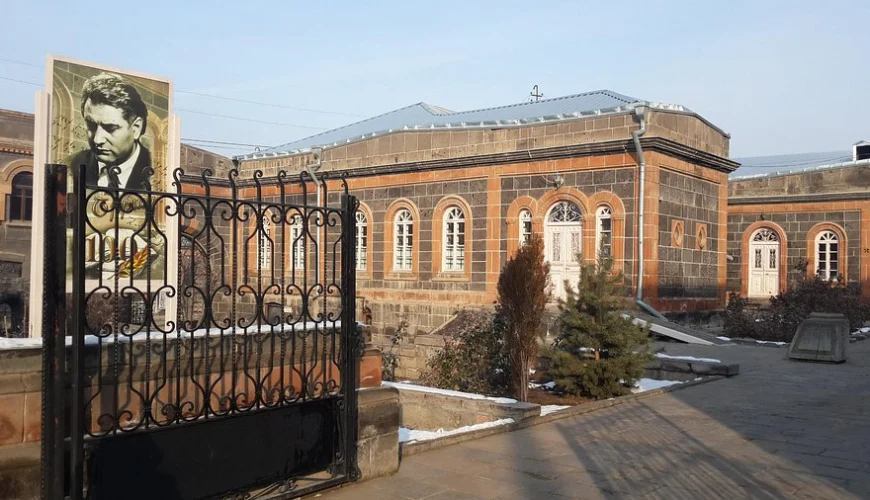
One of the special corners of Gyumri is the House Museum of Hovhannes Shiraz, a poet known for his heartfelt verses about the motherland and motherhood.
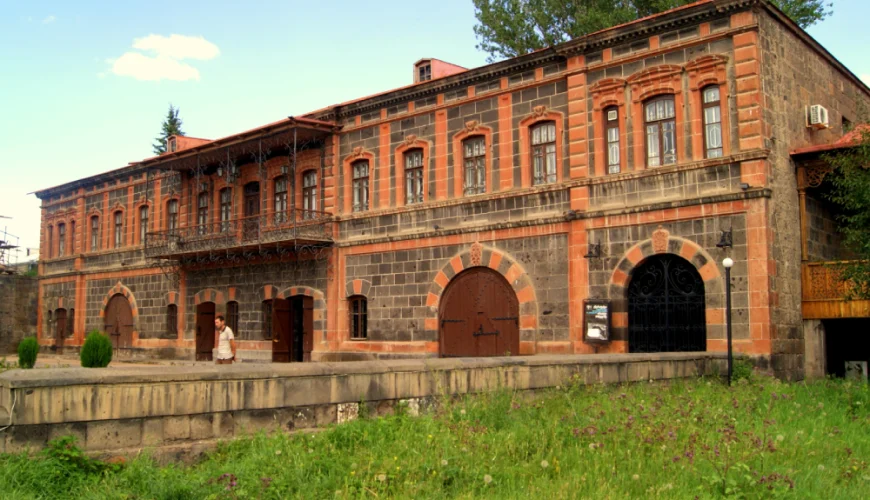
Dzitoghtsyan Museum of Urban Life and National Architecture is situated in Gyumri, in the Kumayri district. The museum building itself is a beautiful example of 19th-century Gyumri architecture.
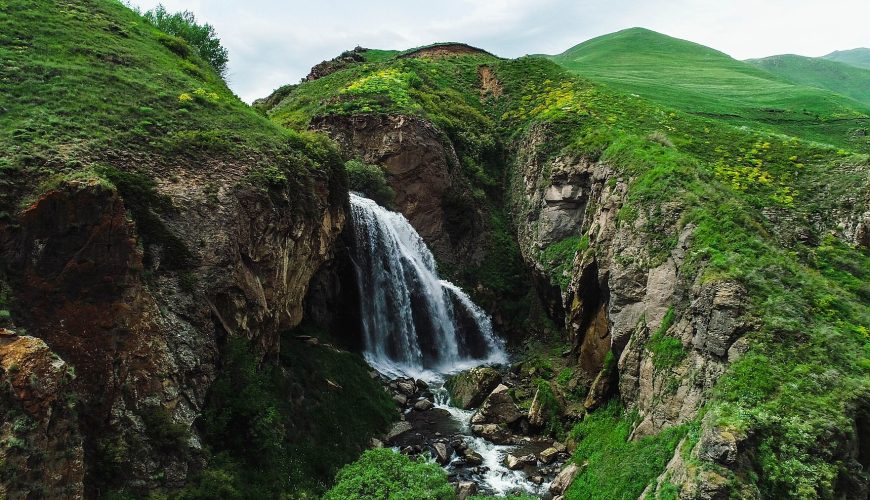
Trchkan Waterfall is one of the most stunning natural sights in Armenia. It’s located right along the border between Shirak and Lori provinces nestled in the scenic valleys of the Bazum mountain range.
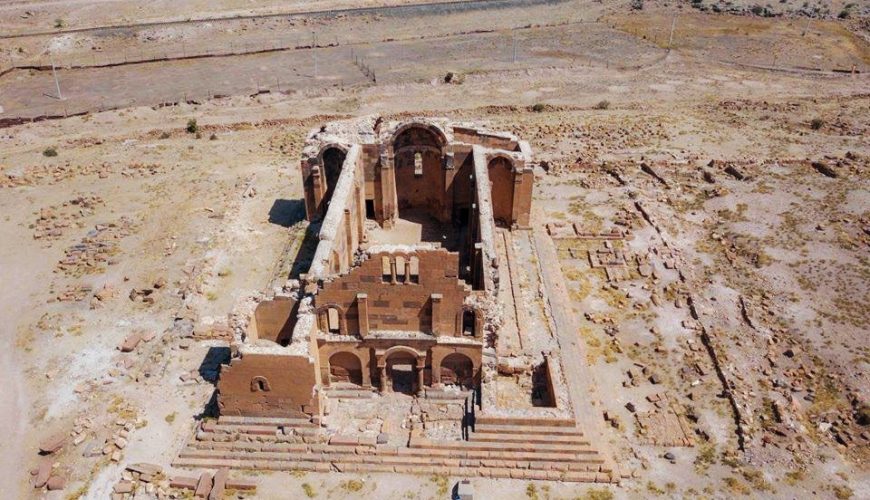
Yererouk Basilica is one of the earliest examples of Armenian architecture, belonging to the Paleo-Christian style. Construction began in the 4th century and was completed in the 6th century.
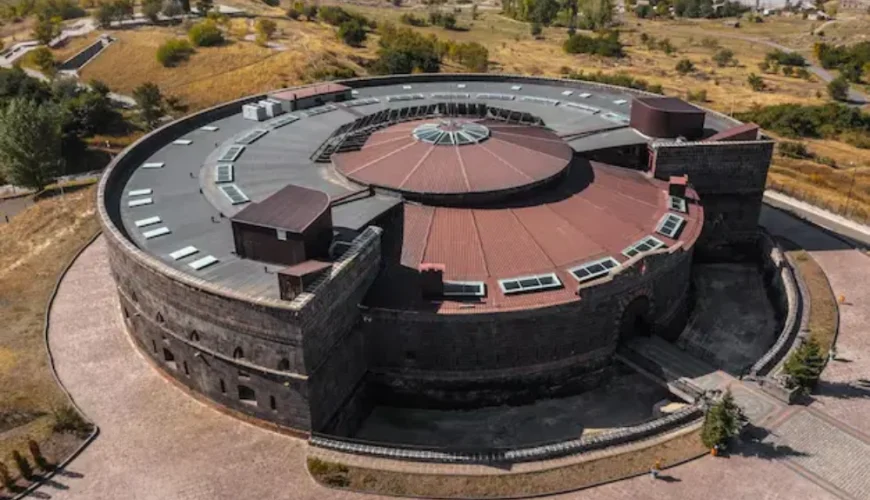
The Black Fortress (in Armenian Sev Berd) in Gyumri was built in 1834, shortly after the Second Russo-Persian War. According to the historical records, the idea for its construction came from growing concerns of a possible future conflict with the Ottoman Empire.
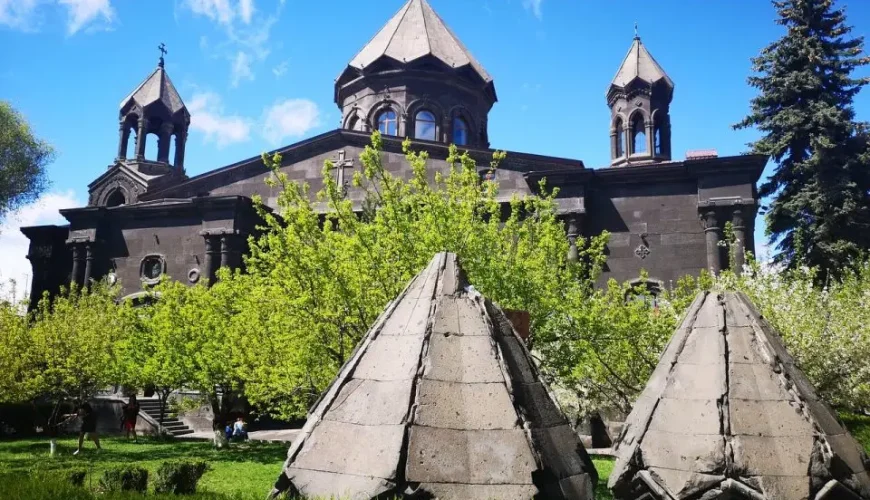
The Cathedral of the Holy Mother of God, also known as Our Lady of Seven Wounds, is a prominent 19th-century church located in the heart of Gyumri.
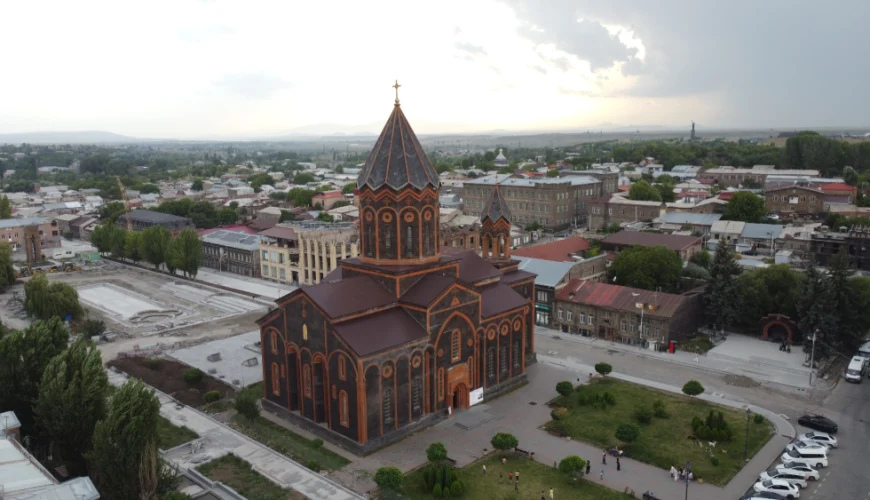
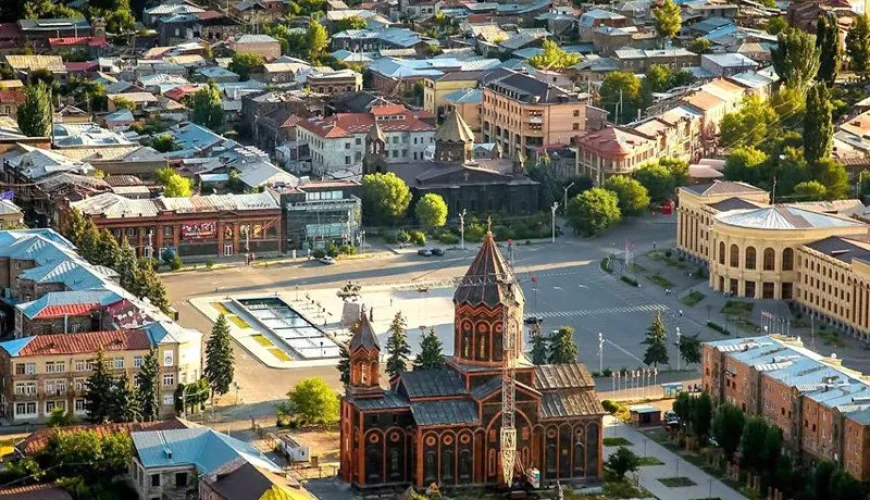
One of the main churches in Gyumri is located not far from the central square — Holy Saviour’s Church. It was constructed between 1858 and 1872 and has survived two major earthquakes. During the Soviet era, it was repurposed as a museum and concert hall.
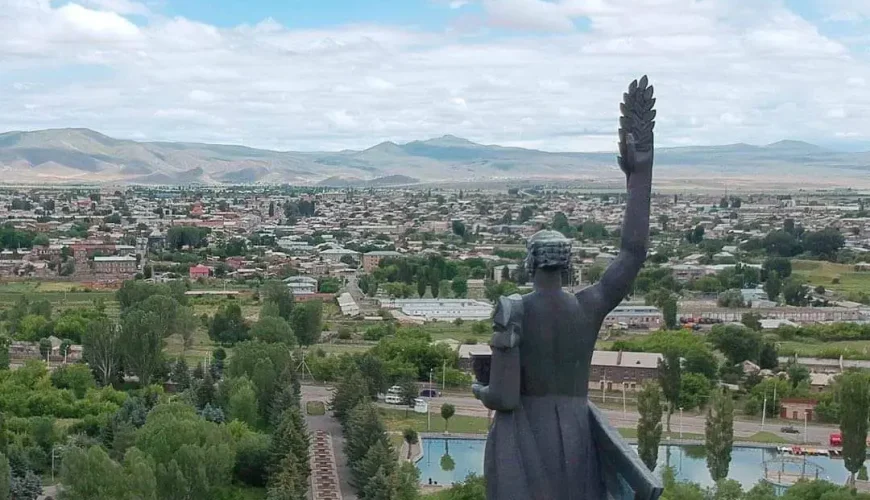
Among other notable landmarks of Gyumri is a magnificent sculptural representation of Mother Armenia, located in Gorky Central Park. It honors the memory of those patriots who died during World War II.
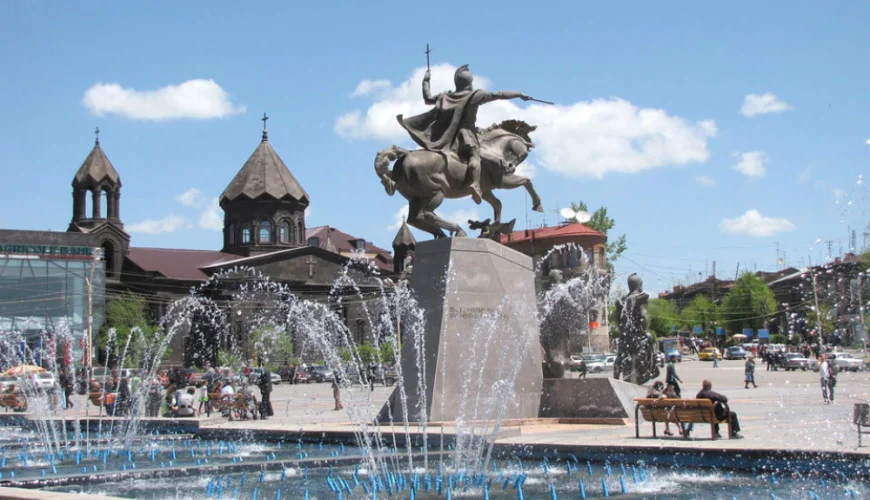
One of the iconic landmarks in Gyumri is Vardanants Square, dedicated to the Battle of Avarayr in 451, where Armenians fought against the Persian Empire to preserve their Christian faith.