 English

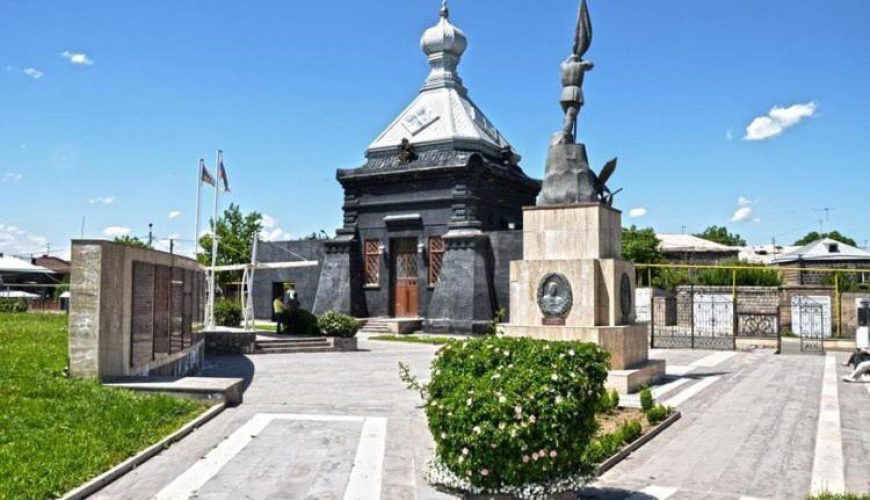
Saint Michael the Archangel Orthodox Church
Saint Michael the Archangel Orthodox Church in Gyumri was consecrated in 1886 by Archbishop Poghos of the Greek-Russian Orthodox Church of Georgia.

Saint Michael the Archangel Orthodox Church in Gyumri was consecrated in 1886 by Archbishop Poghos of the Greek-Russian Orthodox Church of Georgia.
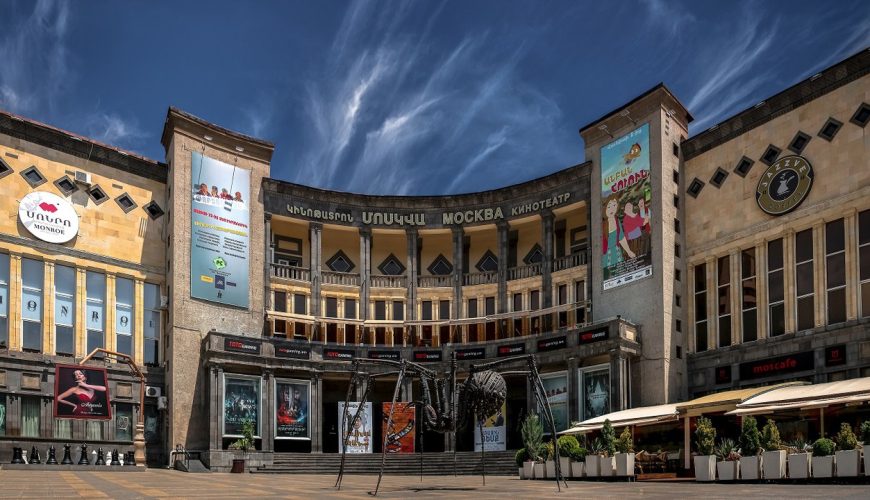
Abovyan street attracts visitors not only with its history but also with modern restaurants, shops, galleries, a lively atmosphere, and vibrant energy. It remains one of the most beloved places for locals.
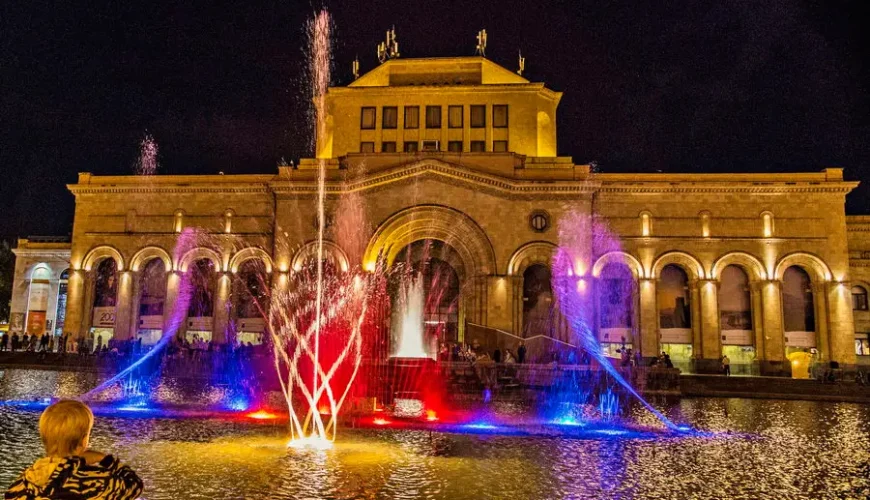
Republic Square is the heart of Yerevan, and it was designed by the city’s chief architect, Alexander Tamanyan.
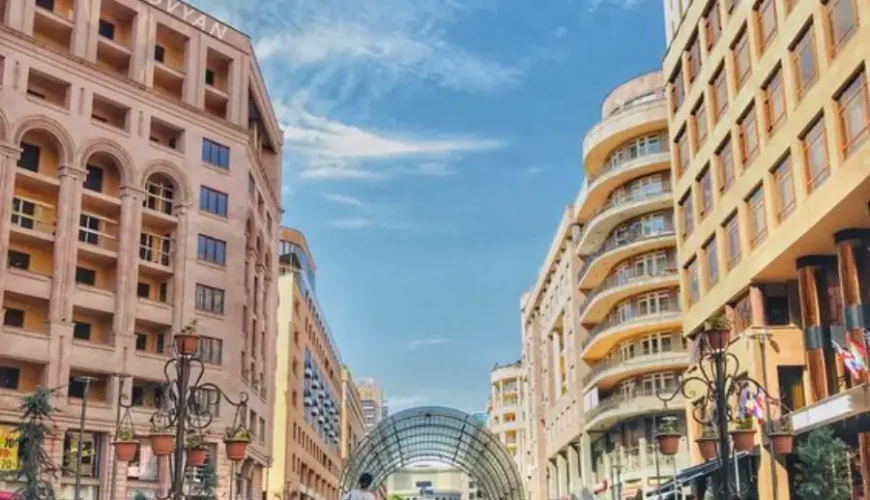
Northern Avenue stretches approximately 450 meters, and there are many modern residential and commercial buildings here. The buildings are designed in a European style, but built using local tufa and basalt stone.
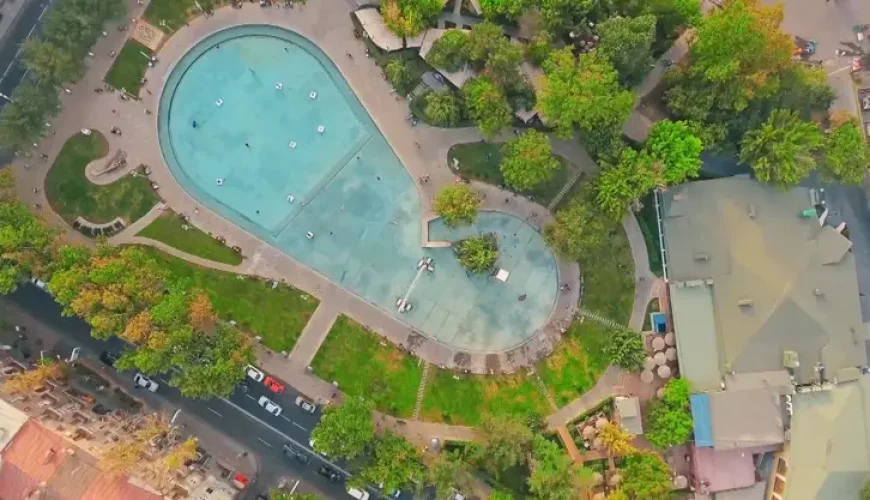
Swan Lake in Yerevan, located near the Opera House, is a beautiful spot for tourists, offering charming views, a relaxing atmosphere, and a perfect place to enjoy the city’s vibe.
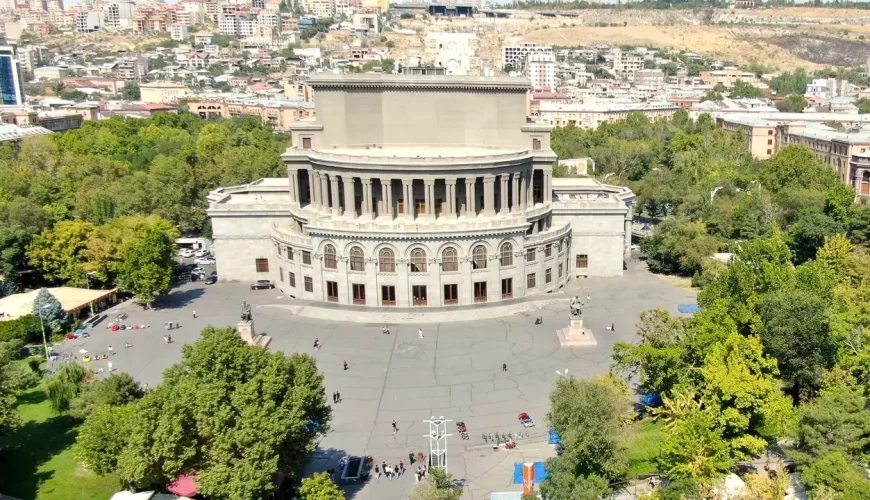
The Opera and Ballet House is one of Armenia’s most iconic architectural and cultural landmarks. It is located in the center of Yerevan and serves as a venue for classical music, opera, and ballet performances.
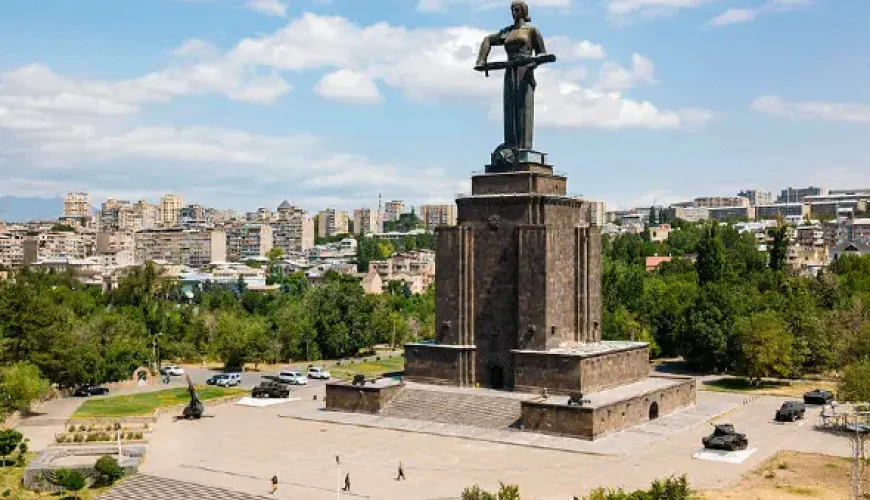
The Mother Armenia Monument was erected in honor of the Soviet Union’s victory in the Great Patriotic War. It stands 54 meters tall, of which 22 meters is the statue itself.
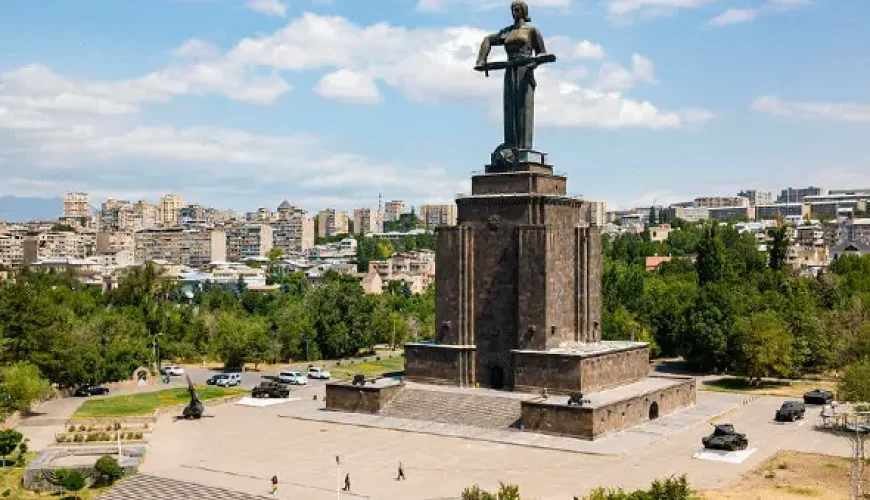
Victory Park is one of Yerevan’s largest and oldest public parks, offering panoramic views of the city and Mount Ararat that make it a favorite spot for locals and visitors alike.
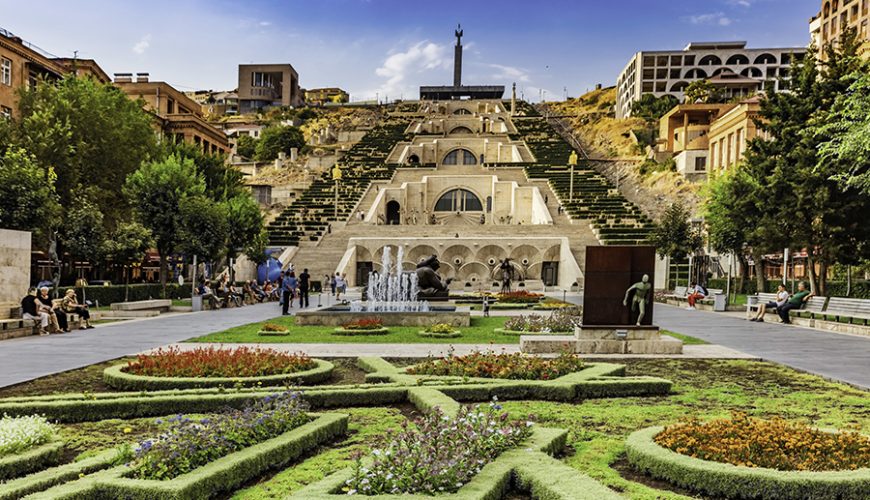
The Cascade Complex is situated in the heart of Yerevan and is one of the most beloved places for both locals and tourists.
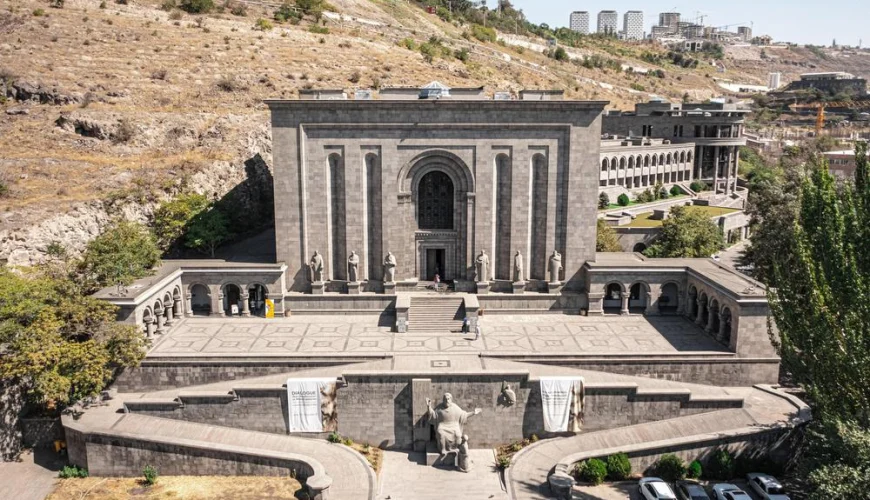
Matenadaran, or the Museum of Manuscripts, is named after Mesrop Mashtots, the creator of the Armenian alphabet. This is not just a museum—it’s one of the most important scientific centers in Armenia, housing over 23,000 manuscripts and 500,000 archived documents.The name Harich is thought to mean “fortress,” so Harichavank translates to “fortress monastery.”